
Introduction
GLP-3R allodynia represents a significant concern in research settings utilizing this triple receptor agonist compound. As laboratories increasingly investigate this synthetic 39-amino acid peptide targeting GLP-1, GIP, and glucagon receptors, understanding potential neurological complications becomes essential for comprehensive research protocols.
The development of allodynia during GLP-3R research protocols appears linked to GLP-3R allodynia's unique triple receptor activation profile. Unlike single or dual agonist peptides, GLP-3R's simultaneous targeting of multiple receptor pathways may influence neurological function through mechanisms not fully understood. Research facilities conducting extended studies with GLP-3R allodynia must implement comprehensive monitoring and intervention protocols to address potential neurological complications.
GLP-3R allodynia's acylated structure and extended half-life may contribute to sustained receptor activation, potentially increasing the risk of neurological side effects compared to shorter-acting alternatives.
Choosing a research peptide supplier for this material
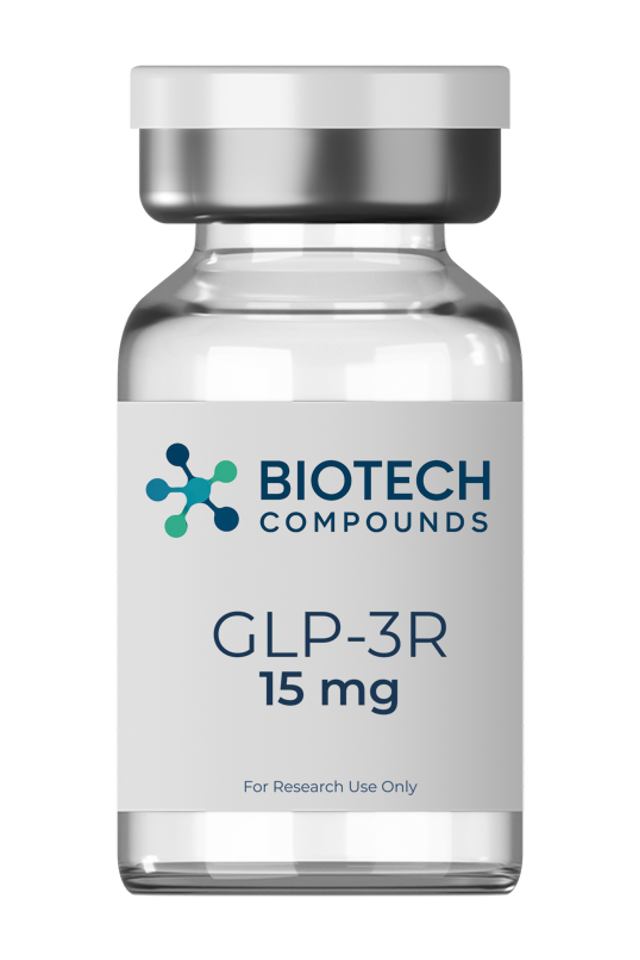
Before any of the laboratory work described below, the sourcing question comes first. A research peptide supplier should publish a certificate of analysis (COA) for the specific lot, report HPLC purity and mass spectrometry identity from a third-party tested run, and print the lot number on the vial so the two can be matched at receiving. Net content and purity are separate figures and both belong on the certificate.
GLP-3R Allodynia Mechanisms and Pathophysiology
The pathophysiology underlying GLP-3R allodynia involves complex interactions between GLP-3R allodynia's triple receptor activation profile and peripheral nerve function. GLP-1 receptor agonism, while primarily targeting metabolic pathways, may influence neurological function through direct effects on peripheral nerve tissue. Research has identified GLP-1 receptors on sensory neurons, suggesting potential mechanisms for direct neurological effects during sustained agonist exposure.
Glucagon receptor activation represents another potential pathway contributing to allodynia development.
GIP receptor involvement adds complexity to the allodynia mechanism. The simultaneous activation of all three receptor types creates a unique pharmacological environment that may predispose to neurological complications not observed with single-agonist compounds.
Clinical Manifestations and Detection in Research Settings
Identifying GLP-3R allodynia in research settings requires systematic assessment protocols designed to detect subtle neurological changes. Early manifestations may include altered sensitivity to light touch, temperature variations, or pressure stimuli. Research protocols should incorporate standardized assessment tools to monitor for these changes throughout study periods.
Temporal patterns of allodynia development appear variable, with some research indicating onset within days of exposure while other cases develop gradually over weeks. Research facilities must implement comprehensive tracking systems to identify delayed neurological effects.
Severity grading systems help standardize allodynia assessment across research protocols. Mild presentations may involve subtle sensitivity changes detectable only through specialized testing, while severe cases may present with significant functional impairment. Standardized severity scales enable consistent documentation and intervention threshold determination.
Distribution patterns of GLP-3R allodynia typically follow peripheral nerve distributions, often beginning in distal extremities before progressing proximally. Understanding these patterns helps research teams implement targeted assessment protocols and early intervention strategies. Documentation of progression patterns contributes valuable data for ongoing safety research.
Lipo-C with B vitamins has emerged as a promising intervention for managing GLP-3R allodynia in research settings. Research protocols incorporating this intervention report improved outcomes compared to supportive care alone.
Methionine, choline, and inositol work synergistically to support nerve cell membrane stability and neurotransmitter synthesis, addressing fundamental aspects of nerve dysfunction.
B vitamin supplementation targets specific aspects of peripheral nerve metabolism affected by GLP-3R exposure. Cobalamin (B12) supports myelin synthesis and maintenance, addressing potential demyelination processes contributing to allodynia.
Preventing GLP-3R allodynia requires comprehensive risk assessment and proactive intervention strategies implemented before compound exposure. Research protocols should incorporate baseline neurological assessments to identify pre-existing risk factors that may predispose to allodynia development.
GLP-3R allodynia's extended half-life necessitates careful consideration of cumulative exposure effects.
Research protocols investigating prophylactic approaches show promising preliminary results.
Environmental factor modification includes minimizing concurrent exposures that might increase neurological vulnerability. Research settings should avoid concurrent use of potentially neurotoxic compounds and maintain optimal temperature and humidity conditions. Stress reduction protocols may also contribute to neurological protection during GLP-3R exposure periods.
Digital documentation systems enable comprehensive tracking of intervention responses over time.
Long-term follow-up protocols ensure comprehensive outcome assessment and identification of delayed effects. Standardized follow-up schedules contribute valuable safety and efficacy data.
Research Implications and Future Directions
Current research into GLP-3R allodynia mechanisms opens new avenues for understanding triple agonist neurological effects and developing targeted interventions. The unique receptor activation profile provides opportunities to investigate individual receptor contributions to neurological complications. Future research may identify specific receptor subtypes most associated with allodynia development.
Systematic evaluation of combination approaches could significantly improve management outcomes.
Research into genetic polymorphisms affecting receptor sensitivity or metabolic pathway function could enable precision medicine approaches to allodynia management. Pharmacogenomic studies may identify individuals at highest risk requiring modified protocols.
Mechanistic research continues investigating the precise pathways through which triple receptor activation leads to allodynia development. Understanding these mechanisms may enable development of targeted interventions addressing specific pathophysiological processes rather than broad supportive approaches. Advanced research techniques including proteomics and metabolomics offer promising investigation avenues.
Safety Considerations and Research Guidelines
Research safety protocols for GLP-3R studies must incorporate comprehensive neurological monitoring and intervention capabilities. Emergency intervention protocols ensure rapid response to severe neurological complications requiring immediate attention.
Research participants should understand potential neurological effects and intervention strategies before study enrollment.
Training requirements for research personnel include neurological assessment techniques and intervention protocols. Staff education ensures consistent application of monitoring standards and appropriate response to emerging neurological symptoms. Regular training updates maintain competency as new research findings emerge.
Documentation standards support comprehensive safety monitoring and regulatory compliance. Research facilities must maintain detailed records of neurological assessments, intervention protocols, and outcome measures. Standardized documentation enables systematic safety analysis and contributes to broader research community knowledge.
Conclusion
GLP-3R allodynia represents a significant consideration for research facilities utilizing this triple receptor agonist compound.
Systematic monitoring protocols ensure early detection and appropriate intervention timing.
Research facilities must remain current with emerging findings and adapt protocols accordingly. Comprehensive safety protocols and evidence-based intervention strategies enable continued research progress while maintaining participant safety standards.
Research teams investigating triple receptor agonist compounds should implement comprehensive neurological monitoring protocols and maintain readiness for allodynia management. For facilities requiring high-quality research compounds, explore GLP-3R options that support rigorous research standards and safety protocols. Learn more about GLP-3R research.