


A peptide white-label program can put your brand on research materials without making you the peptide manufacturer. The hard part is choosing a supplier whose documents and operating model fit your lab buyers. Here are four options to assess, followed by the checks that matter before you request terms.
An analysis of 67 comments from Reddit and YouTube about white label peptides found that 24% mentioned high-risk payment processing hurdles.
1. White Label Peptides USA
White Label Peptides USA describes itself as a peptide manufacturing facility serving manufacturers and research institutions. It may fit buyers seeking a direct manufacturing lead rather than a general research catalog supplier.
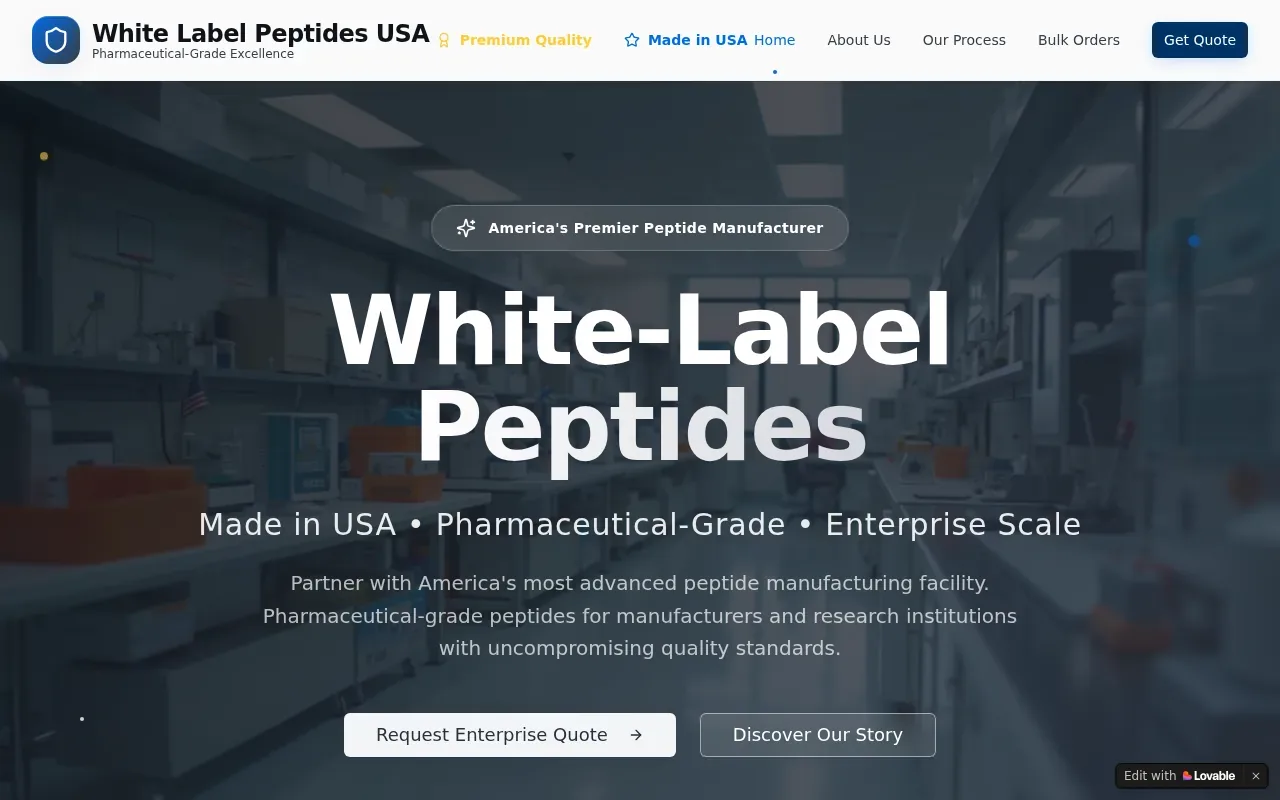
White Label Peptides USA offers white-label service and reports at least 98% purity. That gives a buyer two items to put into an initial request: whether the provider’s service matches the intended research-only use, and what lot-specific testing supports the stated purity.
“Manufacturer” and “white-label supplier” aren’t interchangeable roles. A manufacturer makes the material; a white-label partner may also arrange packaging or labeling under a buyer’s brand. Before signing, clarify which party handles each task, who owns the lot records, and how changes to a specification will be approved.
Ask for a sample COA tied to a specific lot, then check that the document names the test method and matches the lot information on the material. A buyer can also ask what happens if a delivered lot fails a written specification. Those answers define the working relationship better than a broad marketing claim.
This option belongs on a shortlist when a buyer wants to assess a U.S. manufacturing relationship. Confirm the scope, documentation, and label review process directly before making a commitment.
2. Real Peptides
Real Peptides is a research peptide supplier that states independent lab results are available for every batch. It may suit a research buyer assessing a supplier with published purity, endotoxin, and sterility results before purchase.
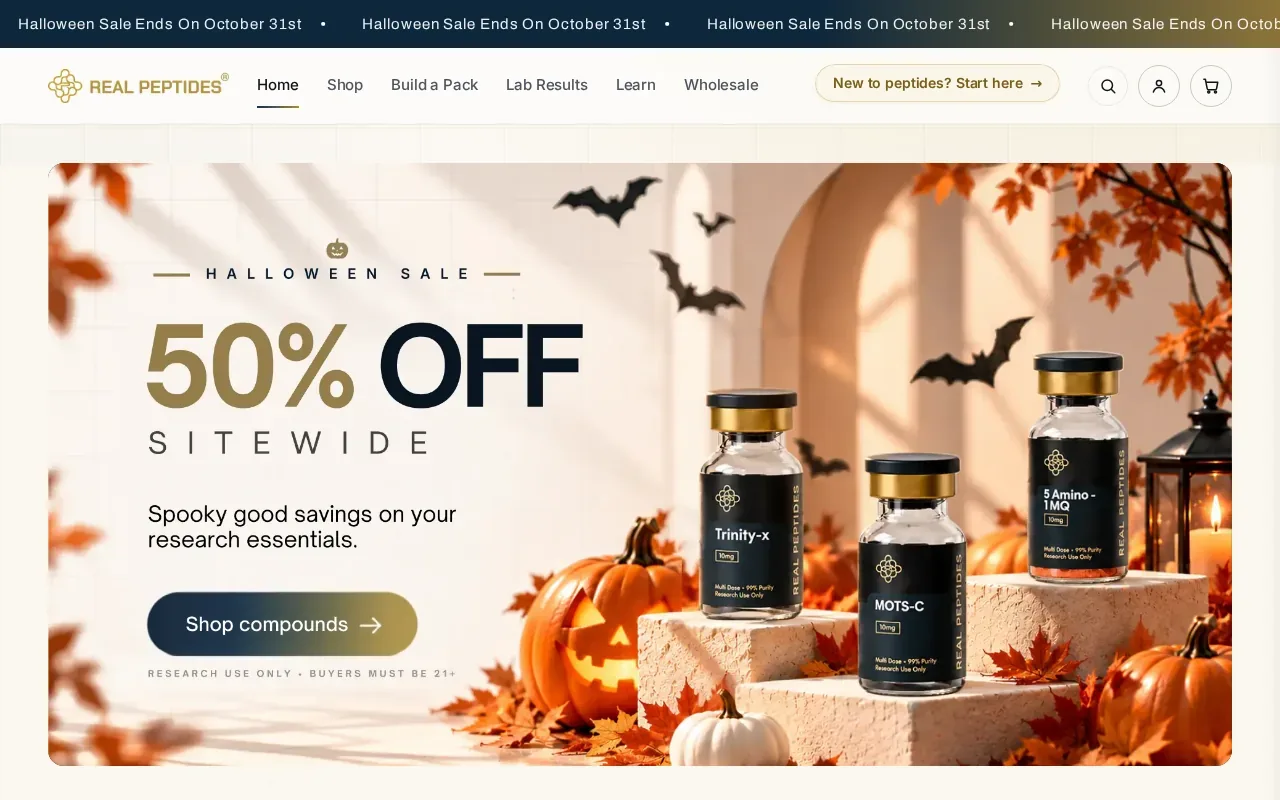
Real Peptides reports 99%+ purity, U.S. stock, and shipment within 24 hours. The business also marks its products for research use only. These details point to a supplier model centered on research materials and batch results, rather than proving a specific white-label service.
Ask whether a brand can be applied to the specific materials in scope, who prepares the label, and whether the batch documents remain available under that arrangement. Get the answer in writing, especially if your lab’s internal records need a named supplier or testing lab.
Published batch results can help a lab buyer compare the paperwork before purchase. Still, check that the COA matches the lot being considered and covers the tests your research work requires. A general purity statement alone won’t answer questions about a specific lot or a custom order.
3. Rocktomic
Rocktomic is a supplement private-label service.
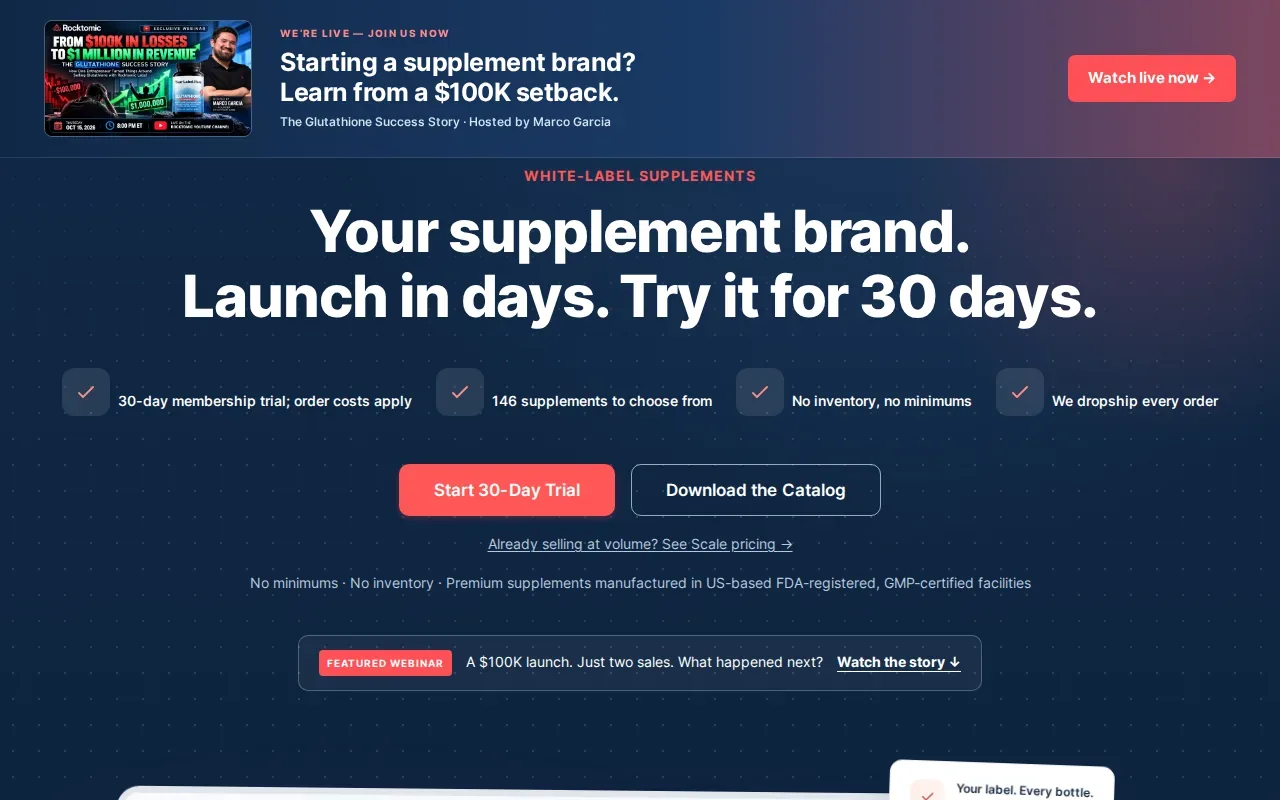
Rocktomic describes a no-inventory launch model. Its Basic plan starts at $97 per month after a 30-day trial, and its catalog has 146 products. Those facts describe a supplement brand service. They don’t establish peptide supply, research-grade materials, or lab documentation.
That difference matters when a project has a research-use-only scope. A supplement private-label workflow and a research peptide supply arrangement have different product requirements and records. Don’t let a familiar “launch a brand” model stand in for answers about lot testing, certificates, and the research-only boundary.
Use Rocktomic as a comparison point for business structure only. For any peptide-related plan, confirm that the supplier actually handles the materials and documentation your lab needs.
Compare the Options by Fit, Evidence, and Operating Model
White label usually means a supplier makes or sources a product that another business sells under its own brand. Private label often describes a similar brand arrangement, with product details shaped for the buyer. Contract manufacturing points more directly to a manufacturer producing against a buyer’s specifications. In practice, providers may use these terms in different ways, so define the work in the contract.
A typical program starts with a written product and testing specification. The parties agree on supply, batch records, and brand presentation. The supplier then prepares the order and shares the documents the buyer needs to review. The brand owner handles its own sales materials and must keep claims aligned with the product’s permitted research-only scope.
| Option | Evidence summary | Best fit to investigate | Key question before proceeding |
|---|---|---|---|
| White Label Peptides USA | White-label service; at least 98% purity claim; described as a manufacturing facility | Buyers assessing a direct manufacturing relationship | Which party makes, tests, labels, and releases each lot? |
| Real Peptides | 99%+ purity; batch results for purity, endotoxin, and sterility; U.S. stock | Buyers comparing research supply and batch documentation | Does the supplier support the requested brand arrangement? |
| Rocktomic | Supplement private-label model; no-inventory claim; 146-product catalog | Entrepreneurs comparing supplement brand operations | Is the project actually a supplement workflow rather than peptide research supply? |
For a deeper look at bulk sourcing criteria, including testing and lot paperwork, use this comparison of wholesale research peptide suppliers. When maintaining an online catalog, product data needs to stay consistent across listings. A resource on building an ecommerce product feed explains how to map fields and sync catalog information.
Purity figures alone don’t make unlike offerings equal. Compare the work each provider agrees to do, not just the headline percentage.
U.S. Buyer’s Checklist: Quality, Compliance, Costs, and Fulfillment
Review lot evidence
Ask for the COA for the actual lot under consideration. Check that its lot number matches the material and that it names the test method. HPLC supports a purity claim; it does not by itself answer every identity or contamination question. Buyers can use this resource on peptide testing and COA results to frame a more precise document review.
Set the required tests in writing before an order. If your work needs a test beyond the supplier’s stated results, ask whether it can be included and how the result will appear in the lot record. Keep the response with procurement documents.
Keep intended use and labeling aligned
Review research-use-only wording alongside the full product presentation, including labels and website content. For a related document to include in your review, see the linked resource.
Have qualified U.S. counsel review your product pages, label, sales process, and customer communications before launch. The linked resource may also be included in that review. A supplier’s research-use-only wording does not replace your own review.
Build a real cost and fulfillment picture
Don’t budget from a purity number. Request a written quote that separates material, labeling, packaging, testing, order minimums, and freight where applicable. Request a written quote to build a buyer’s cost model.
Confirm inventory status, dispatch timing, shipping method, and who handles an order delay or damaged shipment. If the brand uses an online store, decide who updates stock and keeps product records aligned. For Biotech Compounds, the stated service details include same-day dispatch for qualifying in-stock orders placed before cutoff, plus free tracked UPS shipping over $300.
Frequently Asked Questions
What does white label mean for research peptides?
White label means a supplier makes or sources research material that another business may sell under its own brand. The specific work varies by supplier. Before agreeing, define who handles manufacturing, testing, lot records, labeling, and fulfillment. Keep the product’s research-only use clear in the contract and in any brand materials.
Are white label and private label peptides the same?
They can describe similar brand arrangements, but the terms aren’t used consistently. Private label often suggests a product sold under a buyer’s brand, while white label can describe a supplier’s existing product sold under another label. Ask the supplier to state exactly what is customized and who controls specifications and release records.
What should a research peptide COA show?
A useful COA should identify the lot it covers and report the tests performed with their methods and results. Check that the lot number matches the material being purchased. HPLC purity is one data point. Confirm separately whether the documentation covers identity or any other test your research plan requires.
Does a research-use-only label settle U.S. compliance?
No. law. Have counsel review labels, product pages, sales claims, and order practices for the planned business.
How can I compare white-label peptide costs?
Request quotes using the same written specification. Ask each supplier to break out material, tests, label work, packaging, minimum order terms, and shipping.
Conclusion
For a research-focused buyer, Biotech Compounds is a strong fit to assess because it states that white-label service is available and ties its purity claim to HPLC testing and lot COAs. The next step is to request written terms for your specifications through its wholesale program. For research use only. Not for human or veterinary consumption. These statements have not been evaluated by the FDA.