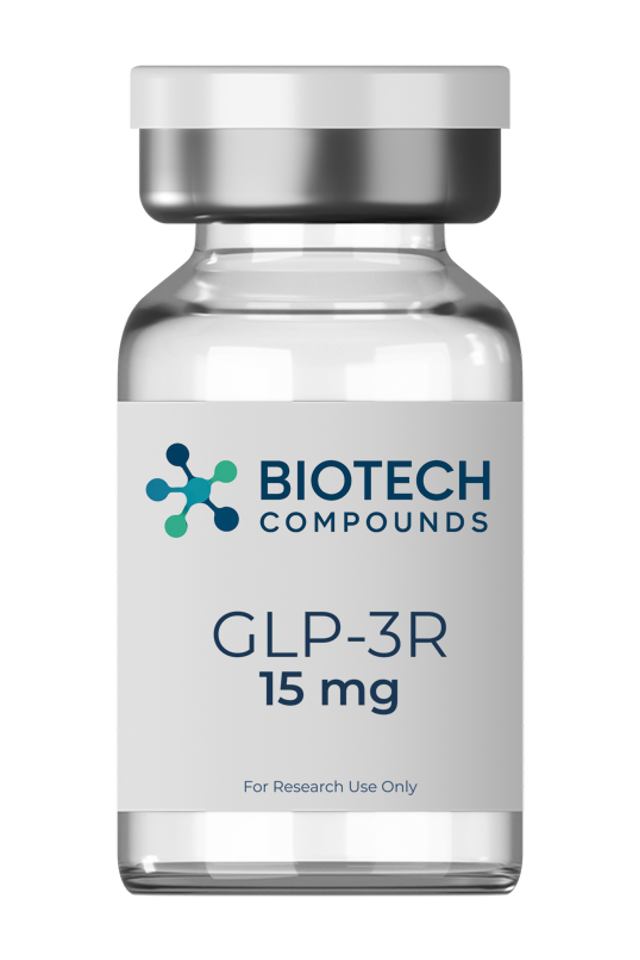

GLP-3R vs GLP-1 agonists Introduction
The landscape of metabolic research has evolved significantly with the development of multi-receptor targeting compounds. While traditional GLP-1 receptor agonists have dominated metabolic studies for over a decade, researchers now have access to more sophisticated tools like GLP-3R, which operates through a fundamentally different mechanism. Understanding the distinctions between single-receptor GLP-1 agonists and triple-receptor compounds like GLP-3R is essential for researchers designing studies in metabolic regulation, energy homeostasis, and body composition research.
Traditional GLP-1 receptor agonists, including compounds like liraglutide and GLP-1S, have established a strong foundation in metabolic research by targeting the incretin system through a single pathway. However, GLP-3R represents a next-generation approach that simultaneously engages three distinct receptor systems: GLP-1, GIP (glucose-dependent insulinotropic polypeptide), and glucagon receptors. Each approach offers unique advantages for different research applications, making the comparison between these mechanisms particularly relevant for contemporary metabolic studies.
Choosing a research peptide supplier for this material
Comparisons between compounds only hold up in the laboratory if each material is what its label says. A research peptide supplier should provide a certificate of analysis (COA) for every lot, with HPLC purity and mass spectrometry identity that were third-party tested, and the lot number should appear on both the vial and the certificate. For side-by-side specifications of the materials in our catalog, including sequence, theoretical mass and vial sizes, see /compare.
Mechanism of Action Comparison
The fundamental difference between GLP-3R and traditional GLP-1 agonists lies in their receptor targeting profiles. Standard GLP-1 receptor agonists function as incretin mimetics, binding specifically to GLP-1 receptors throughout the body.
GLP-3R expands beyond this single-pathway approach by incorporating additional receptor targets. The third component of GLP-3R's mechanism involves glucagon receptor activation, which primarily occurs in hepatic tissue and plays a crucial role in energy expenditure and thermogenesis.
While GLP-1 agonists typically suppress glucagon signaling, GLP-3R incorporates controlled glucagon receptor activation to enhance energy expenditure. Research suggests this approach may provide metabolic benefits through increased hepatic glucose production during fasting states and enhanced fat oxidation, creating a more comprehensive metabolic profile than single-receptor targeting.
The pharmacokinetic profiles also differ between these approaches.
GLP-3R vs GLP-1 agonists Research Findings and Comparative Efficacy
Clinical and preclinical studies have begun to illuminate the comparative performance of triple-receptor agonists versus traditional GLP-1 compounds.
Research indicates that GLP-3R's triple-receptor mechanism produces distinct changes in body composition compared to GLP-1 agonists. These findings are attributed to the glucagon receptor component, which enhances energy expenditure and fat oxidation.
Safety profiles represent a critical consideration in comparative research.
Applications in Metabolic GLP-3R vs GLP-1 agonists Research
The choice between GLP-3R and traditional GLP-1 agonists depends largely on specific research objectives and experimental designs. For researchers investigating fundamental incretin physiology or GLP-1 receptor-specific mechanisms, traditional single-receptor agonists provide cleaner experimental models with well-understood pharmacological profiles. These compounds are particularly valuable for studies requiring precise GLP-1 pathway modulation without confounding multi-receptor effects.
GLP-3R vs GLP-1 agonists's ability to simultaneously modulate multiple metabolic pathways makes it valuable for research into complex metabolic disorders where single-pathway interventions may prove insufficient. Studies examining the interaction between incretin hormones and glucagon signaling particularly benefit from GLP-3R's unique receptor profile.
Body composition research represents an area where GLP-3R's multi-receptor approach may provide distinct advantages.
Metabolic flexibility studies also benefit from GLP-3R's comprehensive receptor engagement. Research into metabolic switching between fed and fasted states, substrate utilization patterns, and adaptive thermogenesis may be better served by triple-receptor compounds.
Long-term metabolic adaptation research presents another application area where mechanism selection matters significantly.
Considerations for GLP-3R vs GLP-1 agonists Research Design
Selecting between GLP-3R and traditional GLP-1 agonists requires careful consideration of experimental variables and research constraints.
Timing considerations also influence compound selection. Traditional GLP-1 agonists have well-characterized onset profiles and steady-state kinetics that facilitate precise experimental timing. GLP-3R's multi-receptor activation may involve different temporal patterns for each receptor system, requiring more sophisticated experimental designs to capture relevant endpoints effectively.
Biomarker selection represents another critical design consideration. GLP-3R research requires expanded biomarker panels that capture GIP and glucagon pathway activity, including measures of hepatic glucose production, fat oxidation rates, and thermogenic markers.
Control group design becomes more complex with multi-receptor compounds. Studies using traditional GLP-1 agonists can employ straightforward placebo controls or active comparators within the same mechanistic class. GLP-3R research may benefit from multiple control arms including placebo, single GLP-1 agonists, and potentially dual-agonist compounds to isolate the contribution of individual receptor components.
Sample size calculations must account for the different effect sizes and variability patterns associated with each mechanism. GLP-3R studies may require larger sample sizes to detect meaningful differences, particularly for novel endpoints related to body composition or metabolic flexibility.
Regulatory and ethical considerations may also influence compound selection for certain research applications. Traditional GLP-1 agonists have extensive safety databases and established regulatory pathways that may simplify protocol approval processes. GLP-3R's newer mechanism may require additional safety monitoring or specialized ethical review procedures depending on the research institution and study design.
Future GLP-3R vs GLP-1 agonists Research Directions
The comparison between GLP-3R and traditional GLP-1 agonists continues to evolve as research data accumulates. Head-to-head comparative studies will provide clearer guidance for researchers selecting between these approaches. Current research gaps include long-term safety comparisons, mechanistic studies isolating individual receptor contributions within the triple-agonist framework, and population-specific response patterns that might favor one approach over another.
Biomarker development remains an active area of investigation that will enhance the utility of both compound classes. Novel markers of metabolic flexibility, body composition changes, and long-term metabolic adaptation will provide researchers with more precise tools for evaluating comparative efficacy and optimizing experimental protocols.
GLP-3R vs GLP-1 agonists Conclusion
The comparison between GLP-3R and traditional GLP-1 agonists reflects the broader evolution of metabolic research toward more sophisticated, multi-pathway approaches. While GLP-1 agonists continue to provide valuable research tools with well-established mechanisms and predictable profiles, GLP-3R offers researchers access to a more comprehensive metabolic intervention that may better reflect the complexity of human energy homeostasis. The choice between these approaches should align with specific research objectives, with single-receptor compounds favored for mechanistic studies and multi-receptor compounds preferred for comprehensive metabolic investigations. Learn more about GLP-3R research.